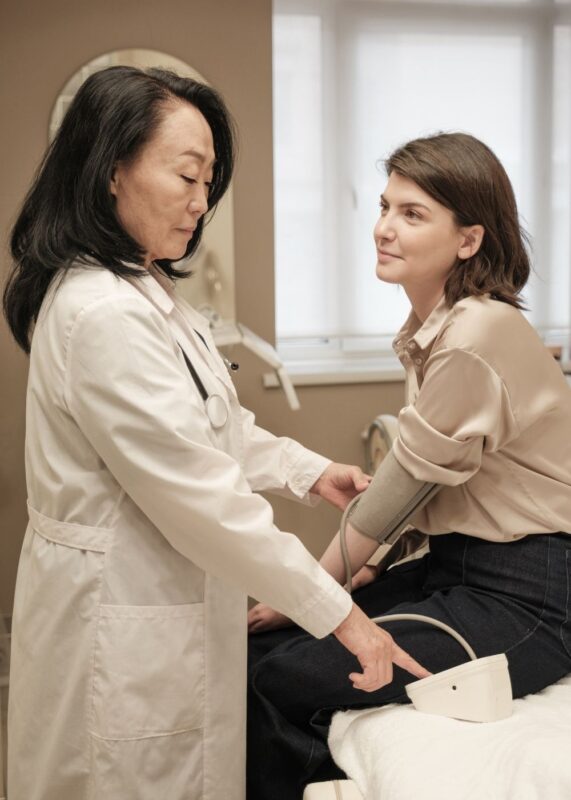
Acute & Chronic Lyme Disease: A Specialist’s Perspective by Dr. Cara Hartz, ND – Seattle Lyme & Tick-Borne Disease Specialist
15 years specializing in Lyme, trained under Dr. Richard Horowitz’s protocols.
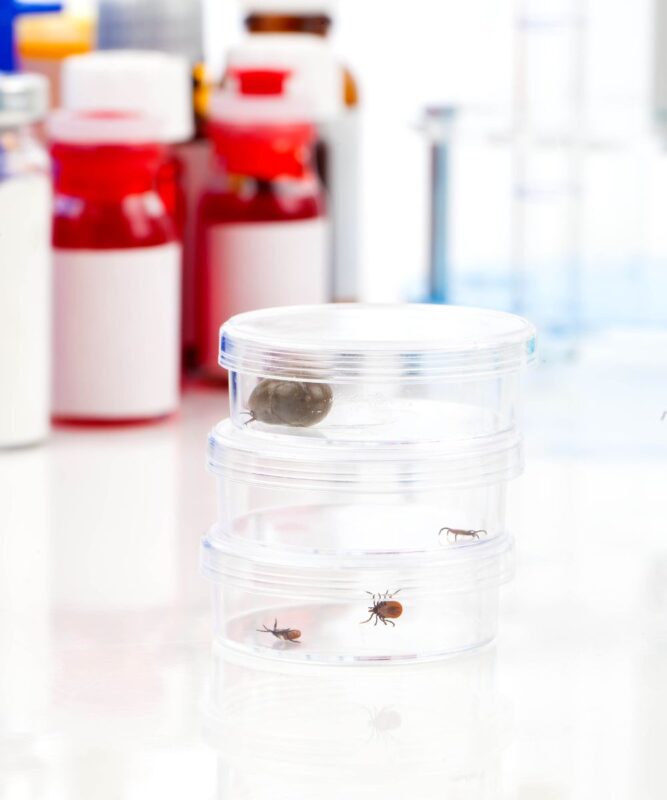
Lyme Disease Treatment in Seattle by Dr. Cara Hartz
Lyme disease is far more than a vector-borne disease. It is a complex one. Lyme disease becomes fatal and causes a multi-system infection when the Borrelia bacteria and other co-infections, such as Babesia, Bartonella, Ehrlichia, or Anaplasma, are present. While a majority of patients with early signs of Lyme disease recover through routine Lyme disease treatment in Seattle, a few with chronic Lyme need tailored treatment and take a longer time to heal. Persistent symptoms, such as fatigue, muscle and joint pain, fever, numbness in hands and feet, swollen lymph nodes, palpitations, nerve tingling, facial palsy, and arthritis in some cases, necessitate a thorough evaluation and personalized treatment procedures with a holistic and nuanced approach.
At Byhartz, Dr. Cara, a renowned Seattle Lyme doctor with more than 15 years of experience (and advanced training from Dr. Richard Horowitz), has dedicated her practice and time to identifying and treating both acute and chronic Lyme disease with evidence-based, integrative, and patient-centric approaches grounded in evidence-based medicinal treatment and holistic naturopathic care.
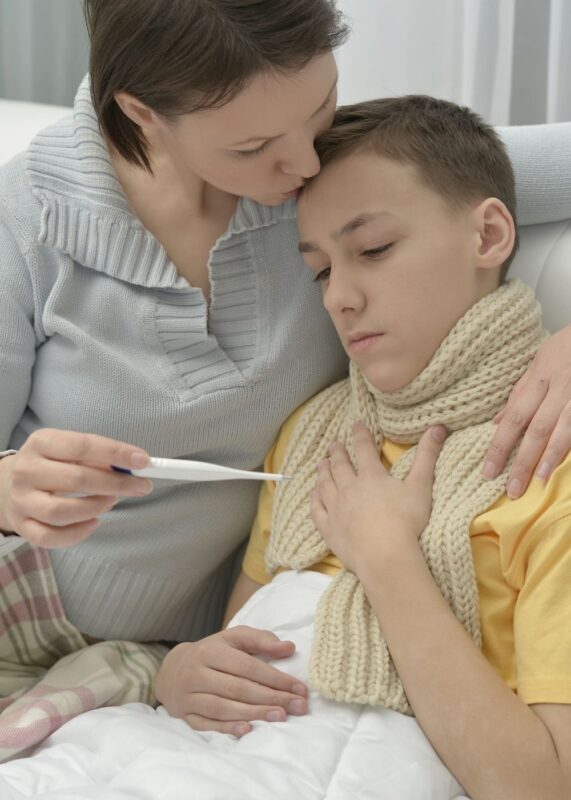
What Is Acute Versus Chronic Lyme?
Identifying the nuance between acute or early and chronic or persistent Lyme disease is the primary step to plan an effective Lyme disease treatment in Seattle, and Dr. Cara Hyrtz does it effortlessly. She provides personalized treatment for Acute and Chronic Lyme diseases at her clinic, Byhartz, with evidence-based medicinal treatment and natural therapies. For better understanding, let’s take a look at specific differences between acute and chronic Lyme infections.
In many cases, acute Lyme disease becomes chronic Lyme due to the involvement of co-infections, immune dysregulation, persister bacteria, biofilms, toxins, and cellular stress that complicate the treatment procedure and prolong the recovery time.
Multi-Layered Lyme Disease Evaluation Process: What Dr. Cara Looks for at Byhartz
At Byhartz, Dr. Cara takes comprehensive and tailored approaches to diagnosing and treating Lyme disease, whether it is acute or chronic. Here is what she takes into account during the process of Lyme disease detection, evaluation, and treatment.
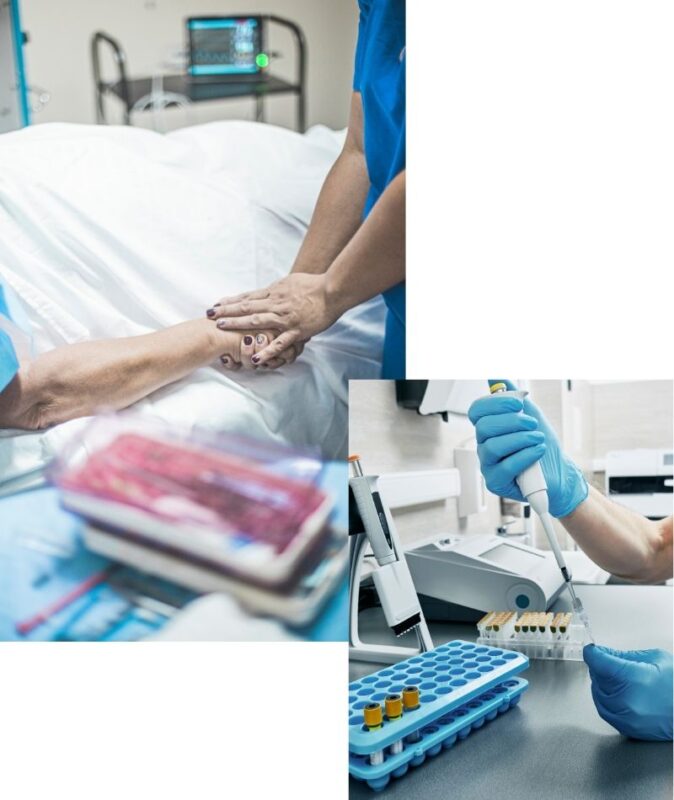
Clinical History & Symptom Patterns:
- Tick exposure: Tick bites sometimes remain unnoticed. Hence, Dr. Cara starts by assessing the history of outdoor activities, including traveling, tracking, gardening, and outings in rural areas during peak seasonal times, late spring and early summer.
- Early or Initial Symptoms: Symptoms such as Bull’s Eye rash (erythema migrans), flu, fever, fatigue, stiffness, and aches in muscles and joints (if left untreated) are considered by Dr. Cara for Lyme disease detection.
- Relapsing-Remitting Course of Symptoms in Lyme Disease: In many cases, the symptoms of Lyme disease remain inconstant. The symptoms come and go in a cycle, known as a wax and wane, or a relapsing-remitting course of symptoms in Lyme disease.
It can repeat the cycle (waning and waxing pattern) for a couple of days, weeks, or months. In such cases, a patient might find relief with primary Lyme treatment for a period, but the symptoms, like fatigue, brain fog, and joint and muscle pain, trigger again due to active and dormant life phases of bacteria, fluctuations in the immune system, the existence of co-infections, and a temporary detox process.
Complaints from Multi-Systems:
If a patient suffers from one or more symptoms (discussed below), it can be a sign of Lyme infection in Seattle.
- Neurological Issues: Brain fog, tingling in nerves, headache, memory loss, or dizziness.
- Musculoskeletal Issues: Persistent fatigue, pain, and stiffness in muscles and joints.
- Gastrointestinal Issues: Bloating, nausea, IBS, inflammation, acid reflux, and food sensitivity.
- Autonomic Issues: Intolerance to heat and cold, lightheadedness (near-fainting), and POTS (postural orthostatic tachycardia syndrome).
- Cardiovascular Issues: Difficulty in breathing, palpitations, and discomfort in the chest.

Previous Treatments & Rate of Response:
Dr. Cara, the Lyme disease doctor in Seattle, checks for the response rate to previous treatments (whether it is antibiotic or natural therapies) to find out the pattern of symptom flares and relief.
Plethora of Physical Examinations for Better Assessment of Lyme Disease
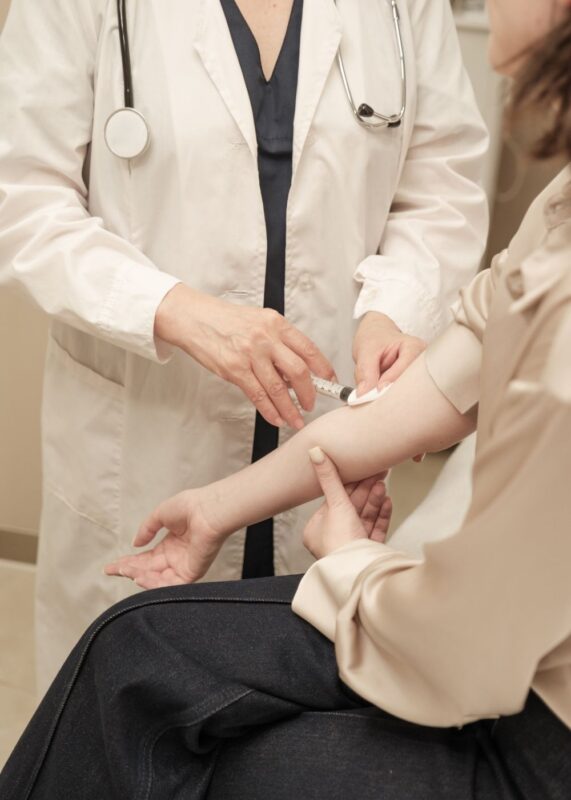
Just like assessing the clinical record and symptoms, Dr. Cara Hartz makes her patients undergo physical examination and lab draws to look for accurate signs that flare up the symptoms and their history.
- Neurologic System Assessment: She assesses reflexes, body balance, and coordination, and evaluates muscle condition and sensations in the hands and feet to determine nerve function and gait.
- Musculoskeletal Examination: She looks for swelling, stiffness, aches, or pain in joints, muscles, and trigger points to confirm whether it is inflammation/pain due to Lyme infection or other health issues.
- Examinations of Skin & Cardiovascular Issues: She checks for symptoms such as persistent low blood pressure, irregular heartbeat, and rashes/marks on the skin due to tick bites or blood circulation issues.
- Examining Autonomic Functions: This helps her to understand any significant signs of POTS, or OI (Orthostatic Intolerance), which obstruct the body's ability to form automatic balance and cause difficulty in walking, moving, standing, or sleeping.
At Byhartz, Dr. Cara Hartz, the Seattle Lyme Disease Doctor, makes her patients undertake all these processes to identify the best treatment process aligned with lab draws, imaging, evidence-based medicinal treatment, and fully personalized naturopathic therapies.
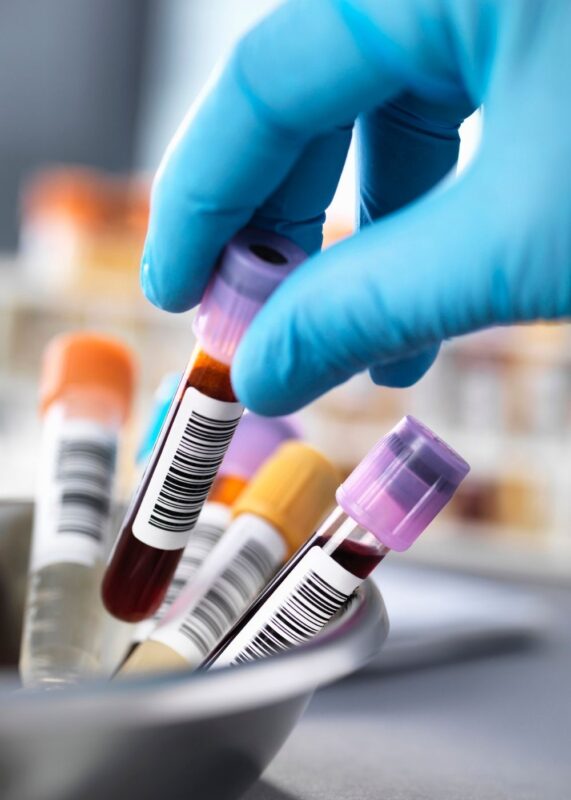
Testing & Diagnostic Strategies
There is no single test to detect, confirm, or rule out Lyme disease. Thus, Dr. Hartz takes a multi-layered diagnostic approach at Byhartz and drafts a treatment procedure accordingly.
|
Test Type |
Purpose |
Notes / Limitations |
|---|---|---|
| ELISA + Western Blot | It is processed to detect Lyme antibodies | May be negative in early or chronic disease |
| C6 Peptide / Immunoblot | More specific antigen marker | Improves detection in persistent cases |
| PCR (blood, CSF, joint fluid) | Detects active infection | Low sensitivity; negative ≠ , no disease |
| Co-infection panels | Screen for Babesia, Bartonella, Ehrlichia, etc. | Interpreted in context; variable accuracy |
| Immune / inflammation markers | CRP, ESR, cytokines, CD57 | Track inflammation and immune health |
| Mitochondrial / detox panels | Organic acids, heavy metals | Identify metabolic or toxin contributors |

Acute & Chronic Treatment Protocols at Byhartz: Comprehensive & Personalized
At Byhartz, Dr. Cara employs a combined treatment philosophy layered with antimicrobial therapy, naturopathic treatment processes, detox or mitochondrial care, and symptomatic therapies with IV / advanced treatments to restore health and quality of life.
Antimicrobial Therapy
Oral antibiotics like doxycycline, amoxicillin, and cefuroxime are prescribed in non-standard ways, in extended or pulsed cycles, when Lyme bacteria (persister) survive the standard antibiotics. The course extends for 8 to 16 weeks if the bacterial infection persists for an extended period and follows the waxing and waning cycles.
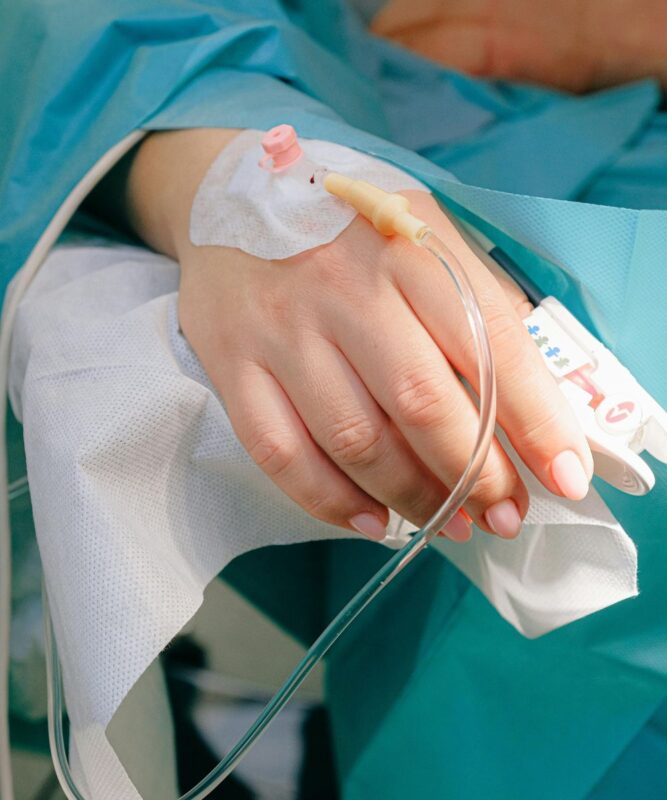
Pulsing and Rotating Antibiotic Therapy
In chronic Lyme cases, systemic antibiotic therapy does not work. Here, Lyme specialists employ pulsating and rotating antibiotic therapy to target persister bacteria and reduce Lyme resistance.
- IV therapies (for neurologic, cardiac, or refractory disease):
– IV ceftriaxone, cefotaxime, or a combination with synergistic agents
– Intravenous antimicrobials may also target co-infections
- Biofilm/persister agents (often in combination):
– Disulfiram (in select cases)
– Azlocillin, dapsone combinations
– Herbal antimicrobials (e.g., cryptolepis, cryptolepis + artesunate, Japanese knotweed, Cat’s Claw) adjunctively
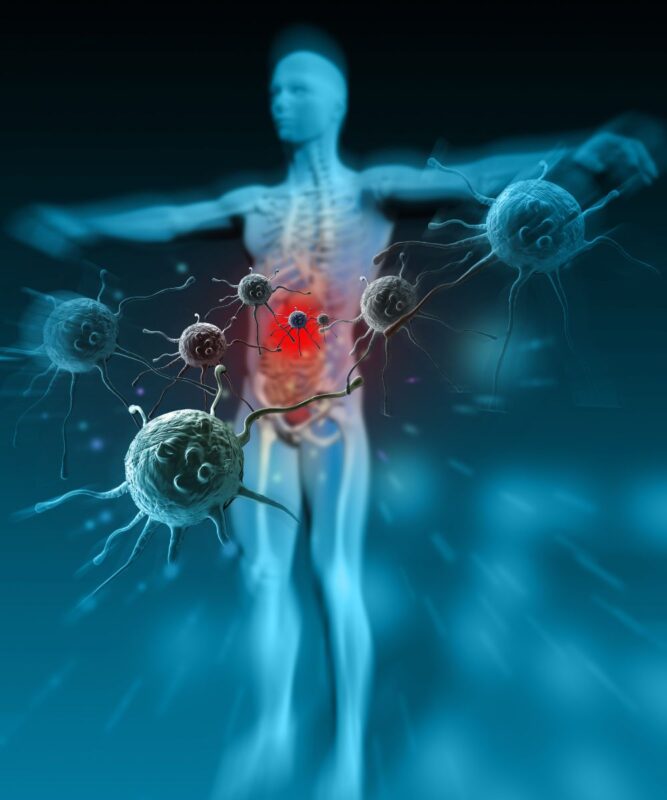
Naturopathic & Supportive Care
- Immune modulation: Low-dose naltrexone (LDN), mushroom extracts, vitamin D, immunoglobulins
- Mitochondrial support: CoQ10, acetyl-L-carnitine, NAD precursors, riboflavin
- Detox & antioxidant support: glutathione, N-acetylcysteine, alpha-lipoic acid, binders (charcoal, chlorella, zeolite)
- Herbal antivirals/antimicrobials: Reishi, astragalus, olive leaf, andrographis
- Neurorepair & peptide adjuncts (e.g. BPC-157, TB-500) in select cases
- Hormone balance: Bioidentical hormones when needed (especially in women with endocrine dysregulation, menopause, or ovarian insufficiency)
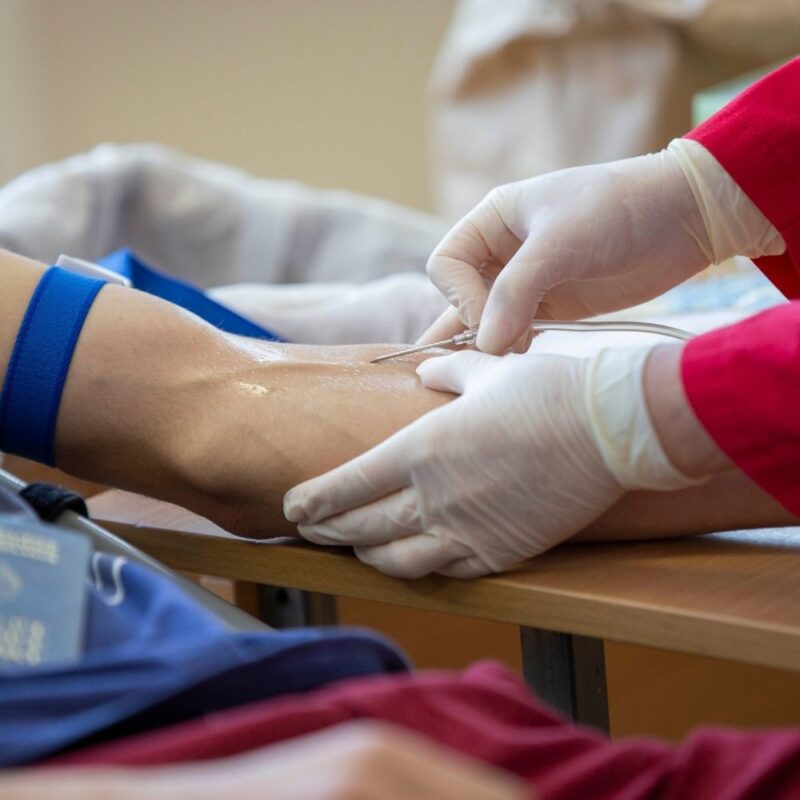
Symptomatic & Rehabilitation Therapies
- Physical therapy / neuromuscular rehab
- Occupational therapy/pacing
- Pain protocols: low-dose naltrexone, neuropathic agents (gabapentin, pregabalin), acupuncture
- Autonomic/cardiovascular support: salt loading, compression garments, midodrine, fludrocortisone
- Cognitive rehab/brain retraining/neurofeedback

IV & Advanced Therapies (for refractory cases)
- High-dose IV glutathione / NAD/phospholipids
- Ozone therapy (autohemotherapy, rectal insufflation)
- Hyperbaric oxygen therapy (HBOT)
- Rectal or IV colloidal silver/silver protocols (very controversial; used cautiously)
- Stem cell/exosome adjuncts (experimental, often off-label)
Phased Treatment Framework - Read it For Better Understanding
The complexity of Lyme disease varies from patient to patient. Thus, a one-size-fits-all treatment phase is just not appropriate for patients of all ages, statures, and biological frames. At Byhartz, Dr. Cara delivers personalized treatment procedures that vary at every stage and duration. During the process, her goals remain fixed: stabilizing the body, detoxifying the infection, and restoring health for prolonged recovery.
- Acute phase (weeks 0–8): If Lyme disease is detected in this phase with early symptoms, the treatment process targets the active infection. The treatment involves oral antibiotics, mitochondrial support, and energy support. Detoxification support is provided to help flush out bacterial toxins. In most cases, if the treatment is given promptly, patients can fully recover from the infection at this stage.
- Consolidation Phase (weeks 8–24). In this phase, a Lyme doctor in Seattle checks for any existing signs of co-infections, provides herbal antimicrobials and peptides to patients to repair tissues, reduce lingering flares, modulate the immune system, and restore hormonal balance. Physical exercises and neurological rehabilitation are included in the treatment regimen along with detox and mitochondrial care to restore a steady source of energy.
- Refractory or Advanced Phase: There are a few patients who struggle with persistent symptoms of Lyme disease, undergo frequent flares, and suffer from extreme fatigue despite therapies and treatment. These patients require advanced Lyme treatment. In this phase, a Seattle Lyme Disease doctor incorporates IV antibiotics (to prevent neurological infection), IV nutrient therapies, Ozone/HBOT therapy (to kill stubborn microbes and improve oxygenation), detox, and mitochondrial support into the treatment procedure to accelerate recovery. Rehabilitation support is also included in the treatment regimen for emotional and physical nurturing and restoring the body’s natural resistance against bacteria and infections.
- Maintenance & Prevention: To rebuild the body’s immune system, restore gut health, and ensure long-term wellness, Seattle Lyme specialists rotate low-dose antimicrobials, probiotics, herbs, and detox practices with lifestyle optimization for better sleep, body balance, movement, and stress management.
Safety, Monitoring, & Individualization
Lyme treatment is not a one-way process. It requires multiple therapies, including antibiotics, herbal antimicrobials, IV nutrients, detox, and mitochondrial care. Thus, close monitoring in Lyme disease treatment is crucial to ensure the safety of the patient and the progress of the treatment. At Byhartz, Dr. Cara Hartz, a holistic naturopathic Lyme doctor in Seattle, emphasizes personalized Lyme treatment and care with complete transparency in treatment and every stage of prevention. So, when you choose Byhartz for Lyme disease treatment in Seattle, this is what you will receive,
- Tailored treatment process based on your medical history, persisting Lyme symptoms, and present health issues, followed by thorough monitoring and preventive precautions.
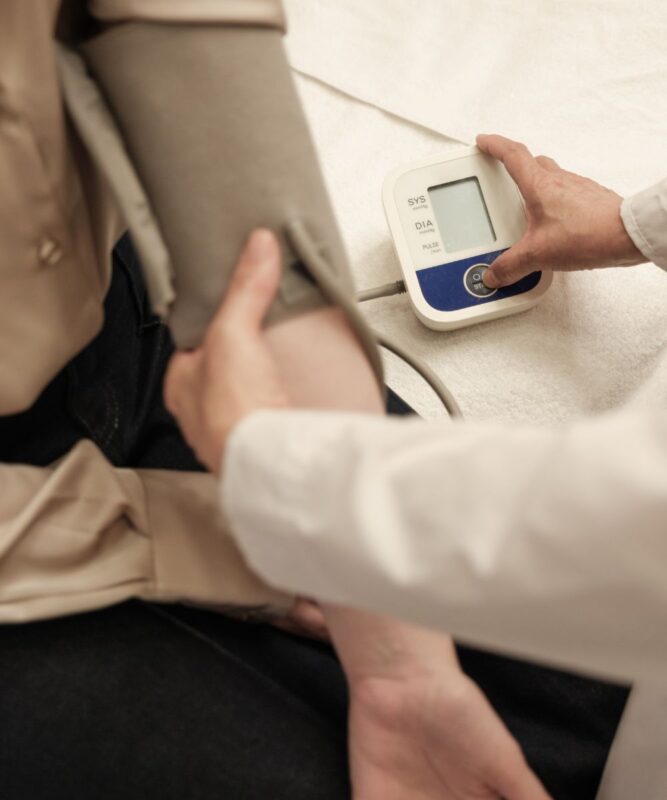
- A thorough lab draw that includes liver and kidney function tests, CBC, electrolytes, and metabolic panels, co-infection and inflammation labs to monitor current health condition, and monitor the immune system and side-effects of persistent drug use to cure Lyme infection.
- Patient-centric treatment process, which is adjusted/evaluated according to the body’s tolerance in day-to-day life and response to the medicines and herbal therapies. The treatment intensity is adjusted as needed, maintaining equilibrium with detox care. Evidence-based medicinal treatment and natural therapy are rotated or paused as required, based on the patient’s condition.
At Byhartz, Dr. Cara ensures a transparent and open conversation with patients. It helps her to work ethically by paying attention to the patient’s consent and actual expectations from the treatment regimen.
Why Choose a Specialist Approach?
Lyme disease treatment requires personalized approaches. There is no one-size treatment regimen that cures Lyme infection for different patients. Thus, finding the right Lyme disease doctor is challenging. But, not anymore. At Byhartz, Dr. Cara has changed the definition of Lyme disease treatment in Seattle. She employs specialized approaches combined with conventional and evidence-based family medicine with naturopathic medicines and herbal therapies to ensure faster recovery from acute/chronic Lyme infection and long-term wellness. Here is why Dr. Cara Hartz should be the best choice as a Lyme specialist in Seattle, WA.
- Over 15+ years of experience and practical knowledge in treating complex Lyme cases
- Her advanced protocol-based training, under the supervision of Dr. Richard Horowitz, enabled her to master the art of blending standard and integrative methods for treating complex Lyme infections, ensuring all safety measures and treatment transparency.
- She offers customized Lyme disease treatment in Seattle, avoiding a one-size-fits-all approach because every Lyme case and patient is unique.
- She drafts treatment plans focusing on the host terrain that help her fight infection, restore immunity and hormonal balance, and provide detox and mitochondria support for acute and chronic Lyme disease.
So, what restricts you? If you are suffering from Lyme or looking for a specialist Lyme doctor in Seattle, look no further and schedule your appointment at Byhartz. ByHarts not only recovers Lyme patients from infection but also rebuilds long-term immunity to ensure prolonged wellness.